In therapeutic soda: extracellular vesicles improved drug delivery to tissues 10-fold
- Статьи
- Science and technology
- In therapeutic soda: extracellular vesicles improved drug delivery to tissues 10-fold


Russian scientists have made a breakthrough in targeted drug delivery: Sechenov University researchers have learned how to load drugs into exosome—like nanoparticles with record efficiency - up to 85%. A new technology capable of increasing the effectiveness of therapy by almost ten times and reducing the toxicity of treatment opens the way to the creation of a new generation of anticancer drugs and may change the approach to the treatment of severe forms of cancer. For more information about the effect of extracellular vesicles created in the laboratory, see the Izvestia article.
What are exosomal nanoparticles?
Sechenov University researchers have developed a new technology for loading medicinal compounds into exosome-like nanoparticles, increasing their delivery efficiency by almost 10 times: from the traditional 5-9% to 85%. This solution overcomes the long-standing problem of bionanotechnology and paves the way for the creation of a new generation of anticancer drugs with increased efficacy and reduced toxicity.
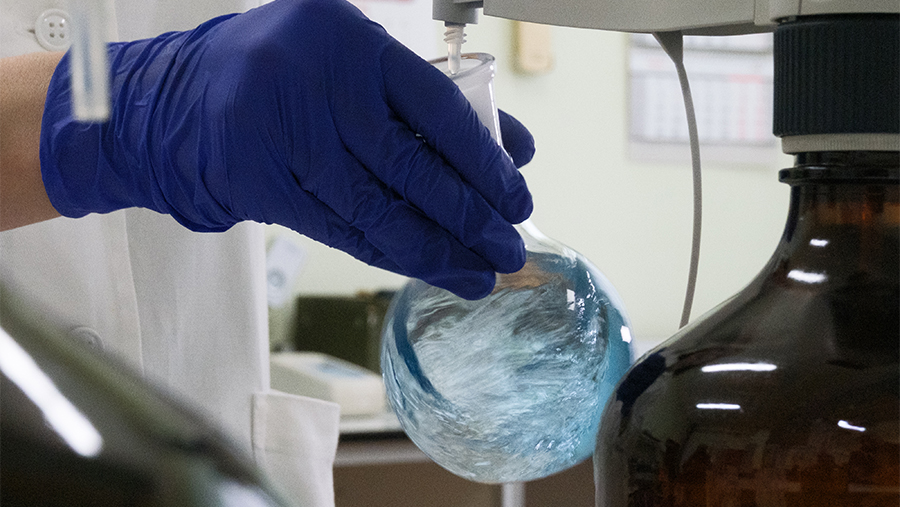
— Previously, it was very difficult to load any medicinal compounds into such nanoparticles. The methods used for loading, as a rule, damaged the structure of nanoparticles and generally reduced their properties, and the effectiveness of the application was very low — in most studies it reached only 9%. Over the past four years, we have been able to develop and optimize new approaches that can raise this bar to 85%. This makes it possible to create new drugs based on already proven medicinal compounds by loading them into these new delivery vehicles," said Dmitry Kostyushev, head of the Laboratory of Genetic Technologies in the Creation of Medicines at the E.I. Marcinovsky Institute of Medical Parasitology, Tropical and Vector—Borne Diseases.
Exosomes are microscopic extracellular vesicles (vesicles) that are secreted by cells of various tissues and organs. They carry special "packages" between cells — proteins, fats, and RNA fragments, so that cells can "communicate" with each other.
A particular advantage of the platform is targeted accumulation in tumors and metastases, the scientists said. Treatment of advanced stages of oncological diseases (III–IV) remains one of the main unresolved tasks of modern medicine, where the five-year survival rate is extremely low. The new system allows the drug to be delivered directly to the affected tissues, minimizing the impact on healthy organs and reducing systemic toxicity, the institute noted.

Clinical application of nanoexosomes
According to scientists, the effectiveness of the approach has already been confirmed in models of breast cancer and melanoma. In experiments on cell cultures and animals, nanoparticles loaded with chemotherapeutic drugs demonstrated high antitumor activity. The technology is also easily scalable and standardized, unlike natural exosomes, which are difficult to produce on an industrial scale, the scientists said. The exosome-like nanoparticles developed at the university are created from human biological components, have high biocompatibility, about 100 nm in size and a negative charge, which makes them ideal carriers for systemic delivery.
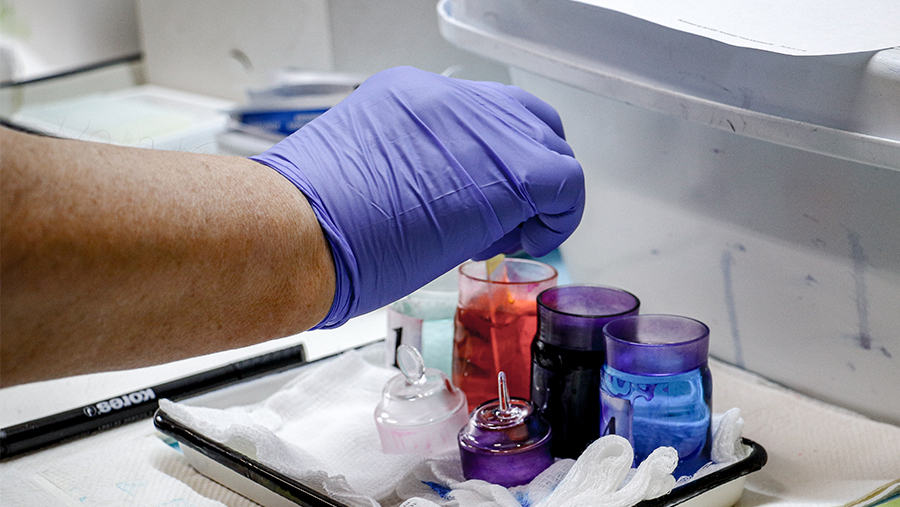
Targeted delivery technologies for antitumor drugs have always been of interest to scientists and oncologists. This is due to the high toxicity of traditional antitumor therapy and certain limitations in its implementation. Various approaches to the implementation of accurate delivery of antitumor drugs into neoplasm cells are known, including using nanostructured components, Oleg Kaganov, head of the Department of Oncology at SamSMU, chief physician of the Samara Regional Clinical Oncology Dispensary, market expert at NTI Helsnet, told Izvestia.
The proposed approach is implemented by using exosome-like nanoparticles from human biological components with high biocompatibility. This increases their potential for high-precision delivery to the tumor, regardless of the location and stage of the disease, including in the presence of distant metastases, he stressed.
"Given the first positive results obtained in the experiment, this technology is interesting for the possibility of creating individual forms of antitumor drugs for the personalized treatment of patients in the most difficult clinical situations," the specialist noted.
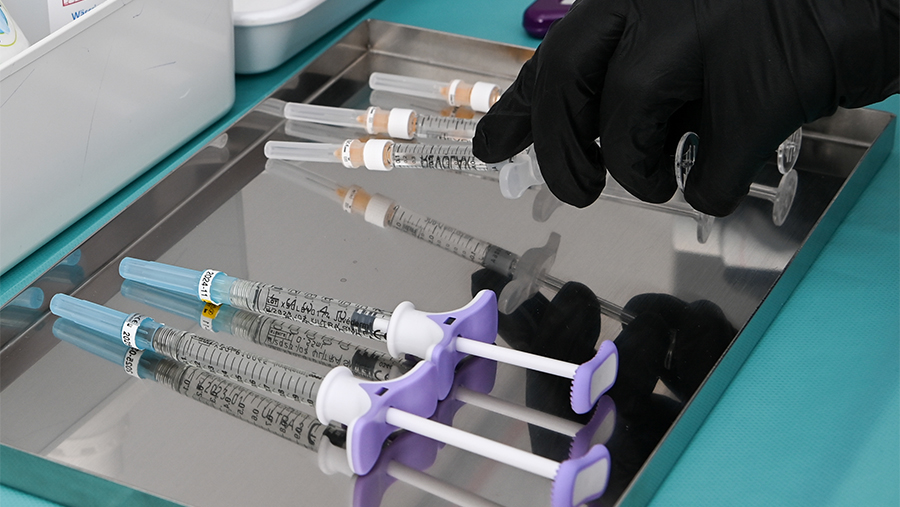
Genetically engineered exosomes, like exosomal therapy in principle, are already being used experimentally in almost all fields of medicine, because it is the targeted delivery of sensitive molecules to a wide variety of organs and tissues, ranging from cosmetology to cancer treatment, a researcher at the Institute for the Study of Aging at the Russian Gerontological Research and Clinical Center of Pirogov University told Izvestia., Candidate of Medical Sciences Mikhail Bolkov.
"Such therapy is being considered, among other things, for the delivery of drugs that affect the mechanisms of aging, and this delivery route is popular in modern approaches in experimental medicine," the scientist noted.

Researchers are currently selecting the most promising clinical indications for the accelerated release of the technology into preclinical and clinical trials.
Переведено сервисом «Яндекс Переводчик»
