- Статьи
- Science and technology
- In the higher station: Venera-9 technologies are used for future interplanetary missions

In the higher station: Venera-9 technologies are used for future interplanetary missions

Fifty years ago, on October 22, 1975, humanity first saw the surface of another planet. This happened thanks to the Soviet Venera-9 station, which transmitted the first ever images from Venus to Earth. Today, according to design scientists, these technological solutions are in demand again. They will form the basis of the new Russian Venera-D mission, which is scheduled to launch in the 2030s, as well as other interplanetary expeditions. For more information, see the Izvestia article.
The first photos of the surface of Venus
Humanity first saw the surface of another planet 50 years ago, on October 22, 1975. This happened thanks to photographs transmitted to Earth by the Soviet automatic interplanetary station Venera-9. Despite the passage of time, the developments made during the implementation of this and subsequent missions are in demand for the preparation of a new Russian expedition to a neighboring planet, which is planned to be launched in the 2030s, Oleg Sedykh, chief designer for Venus exploration projects at NPO Lavochkina, told Izvestia.
According to him, Venus is one of the most extreme places in the Solar System. The average temperature on the planet's surface is 465 °C, and the pressure is 92 times higher than on Earth. At the same time, the atmosphere consists of carbon dioxide, and clouds contain drops of sulfuric acid. Any spacecraft that ends up on the planet must simultaneously withstand these factors.
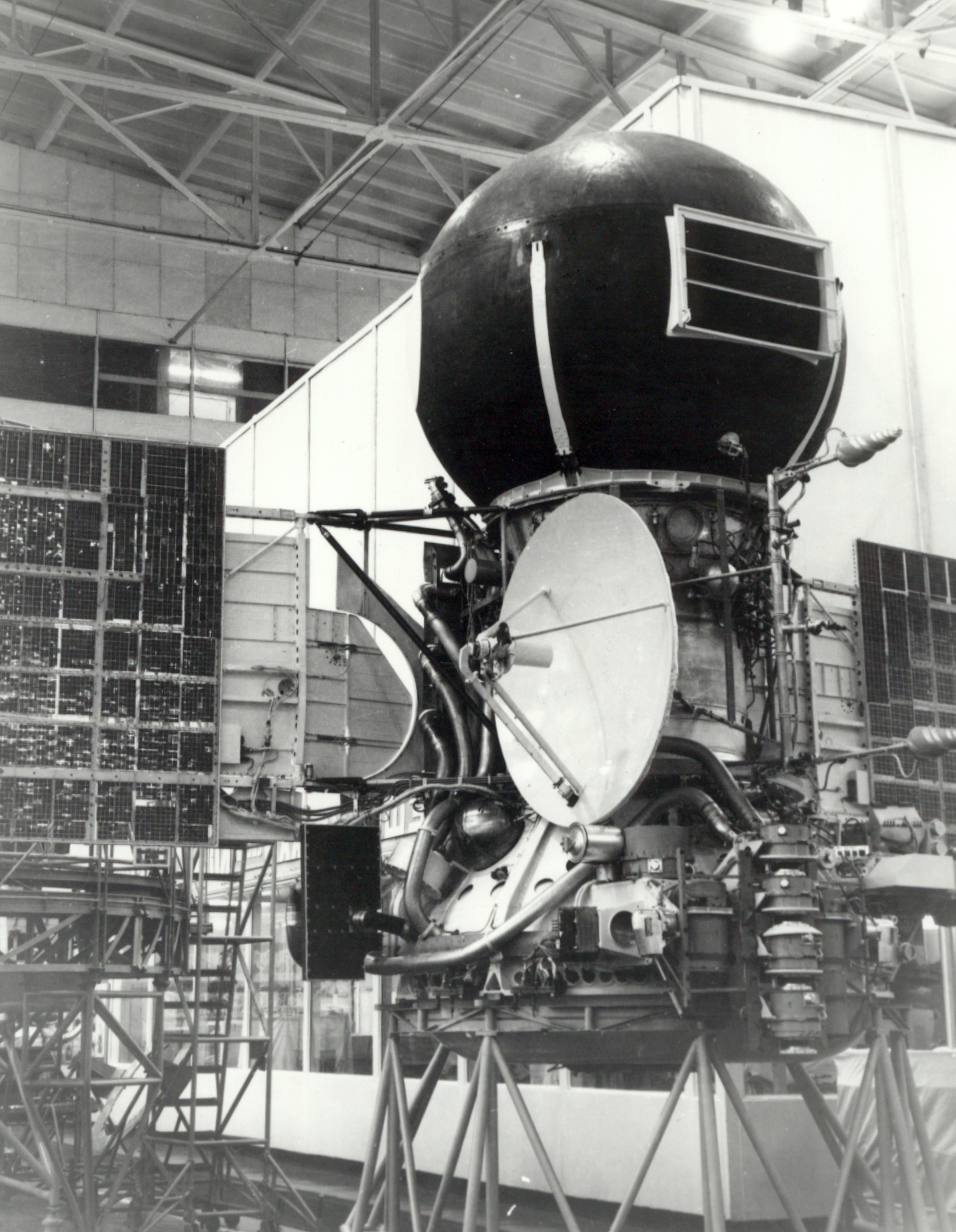
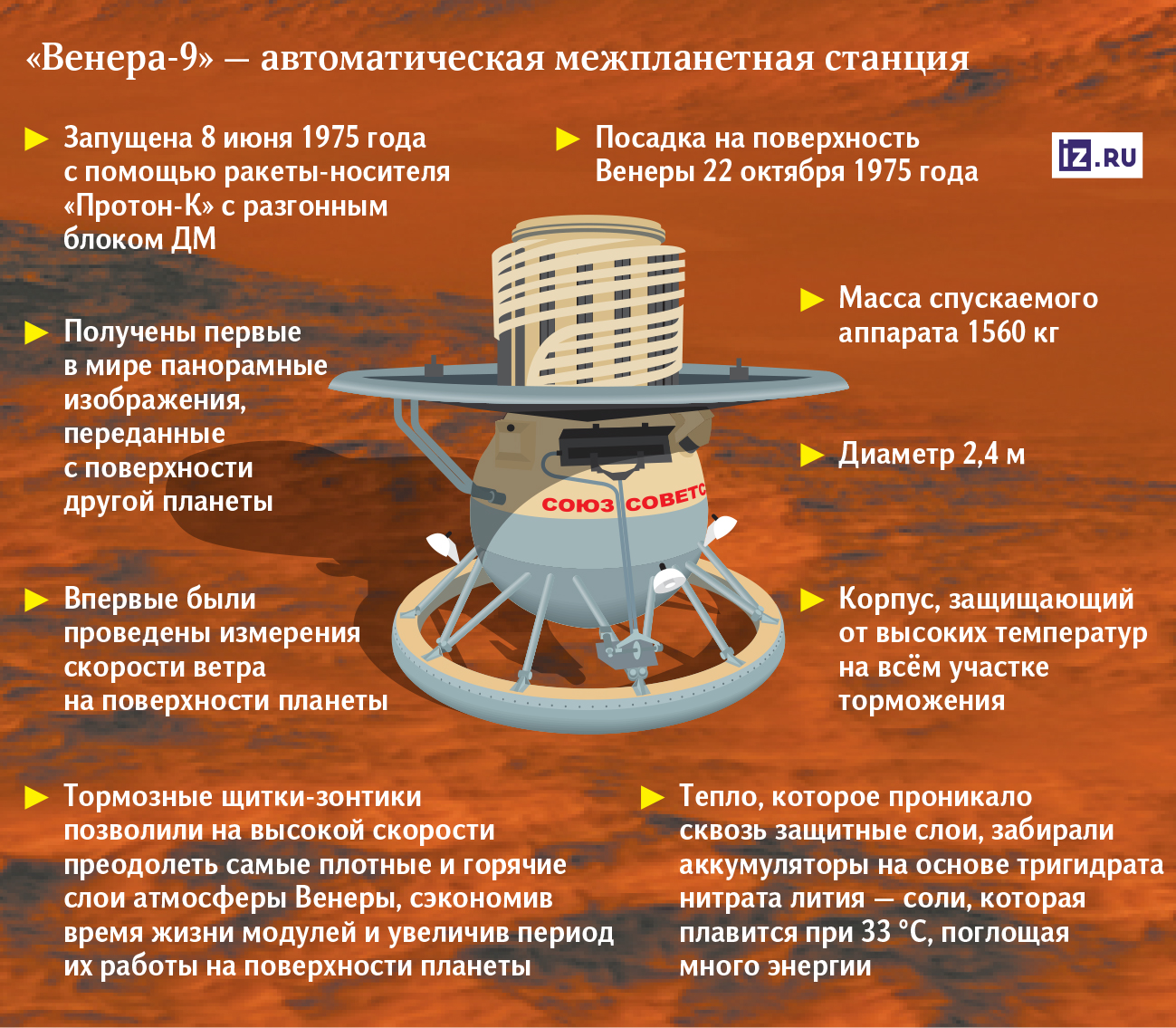
— However, the experience of Venera-8, the lander that survived for an hour in these conditions in 1972, convinced scientists of the possibility of sending more powerful research complexes equipped with cameras and scientific equipment to a neighboring planet. They became the ninth and tenth Venera, interplanetary stations that are almost identical in functionality and on—board equipment. The missions launched on June 8 and 14, 1975, and on October 22 and 25, 1975, their landers landed on the surface of Venus," Oleg Sedykh said.
Instead of the Molniya rocket, the heavy Proton was used for the first time to launch the stations. This allowed them to increase their weight from 1.2 tons to 5 tons. Including the mass of each of the landers was 1.5 tons. Such dimensions made it possible for the expedition's developers to incorporate various innovations into the design of the devices, he added.
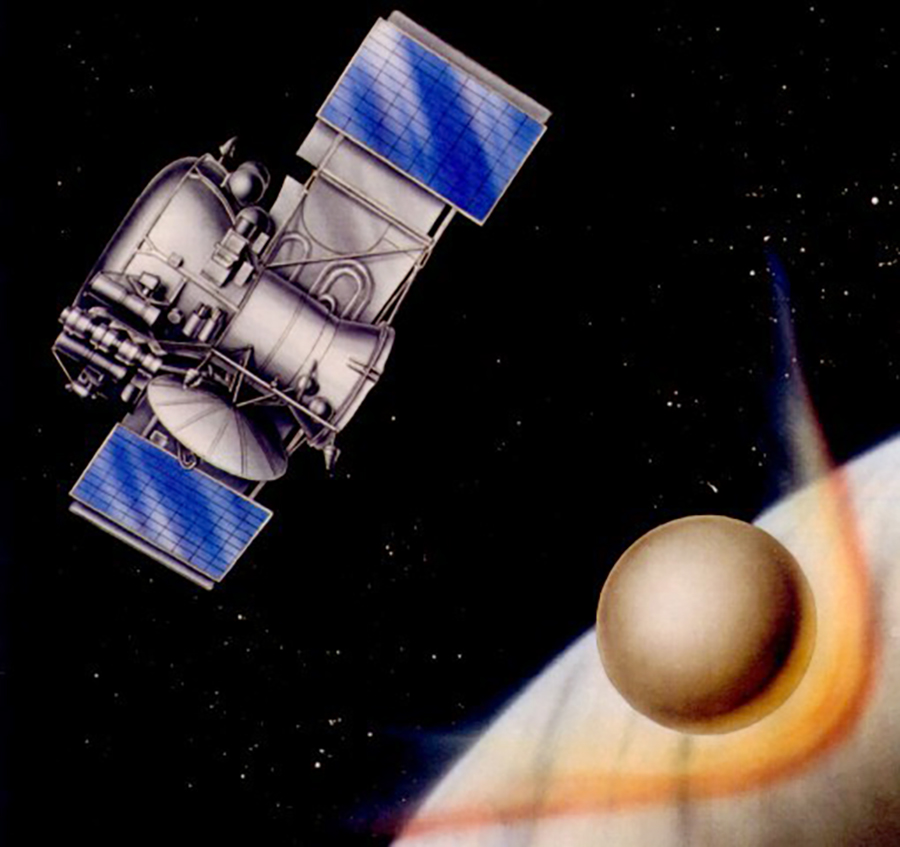
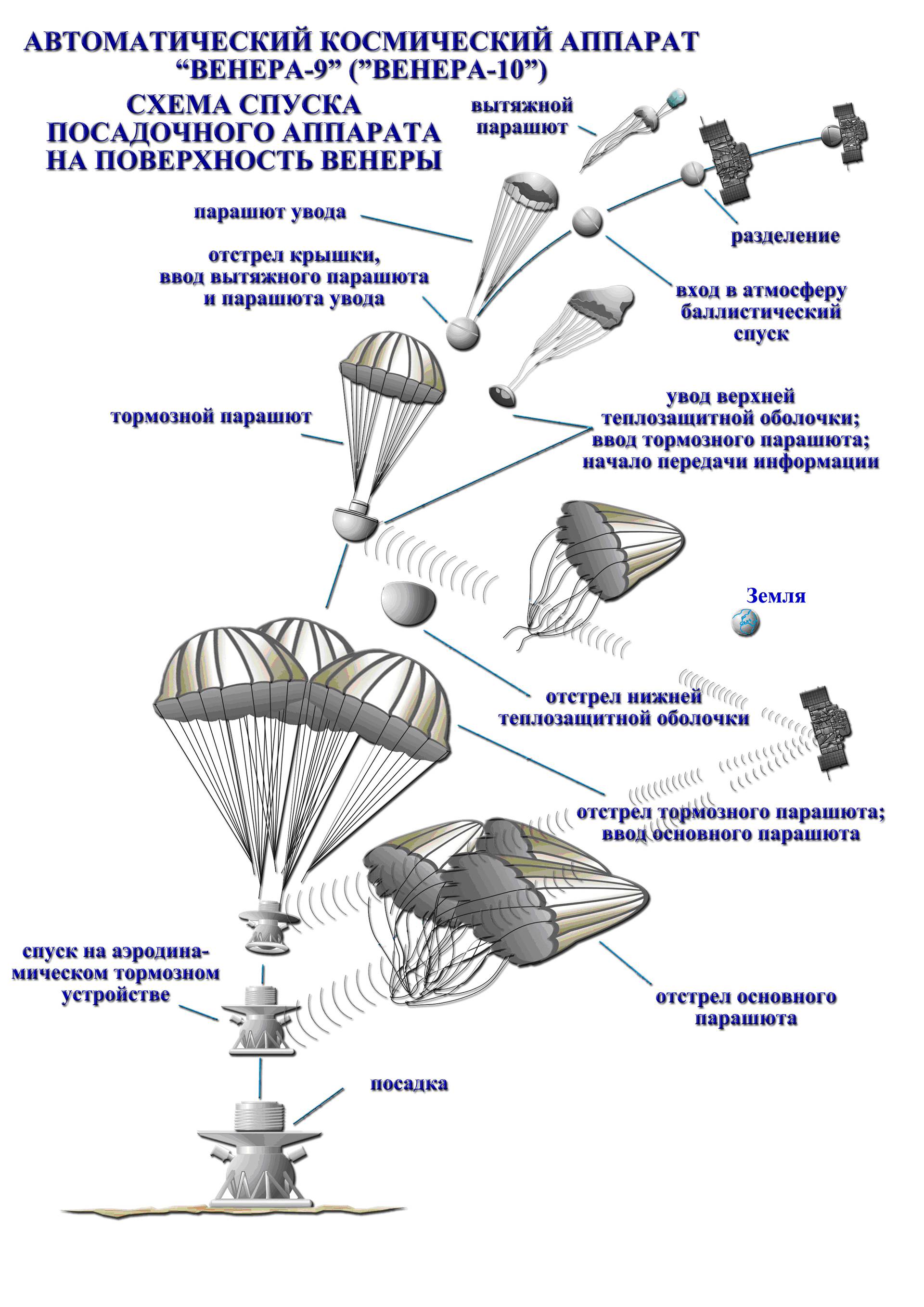
In particular, for the first time, the Venera-9 and Venera-10 orbital modules were used as repeaters. They transmitted information from the landers to the Ground, which significantly increased the broadcast speed and the amount of data received. The images taken by the onboard cameras of the landers had a resolution of 115 by 512 pixels, 6 bits per pixel. One such image was transmitted into orbit in half an hour — 3.5 seconds per line.

What discoveries were made by the Venera-9 and Venera-10 stations
According to Oleg Sedykh, a number of innovations were incorporated into the design of the landing modules, which helped to cope with the extreme conditions at the stage of descent and operation of the vehicles on the surface of the planet.
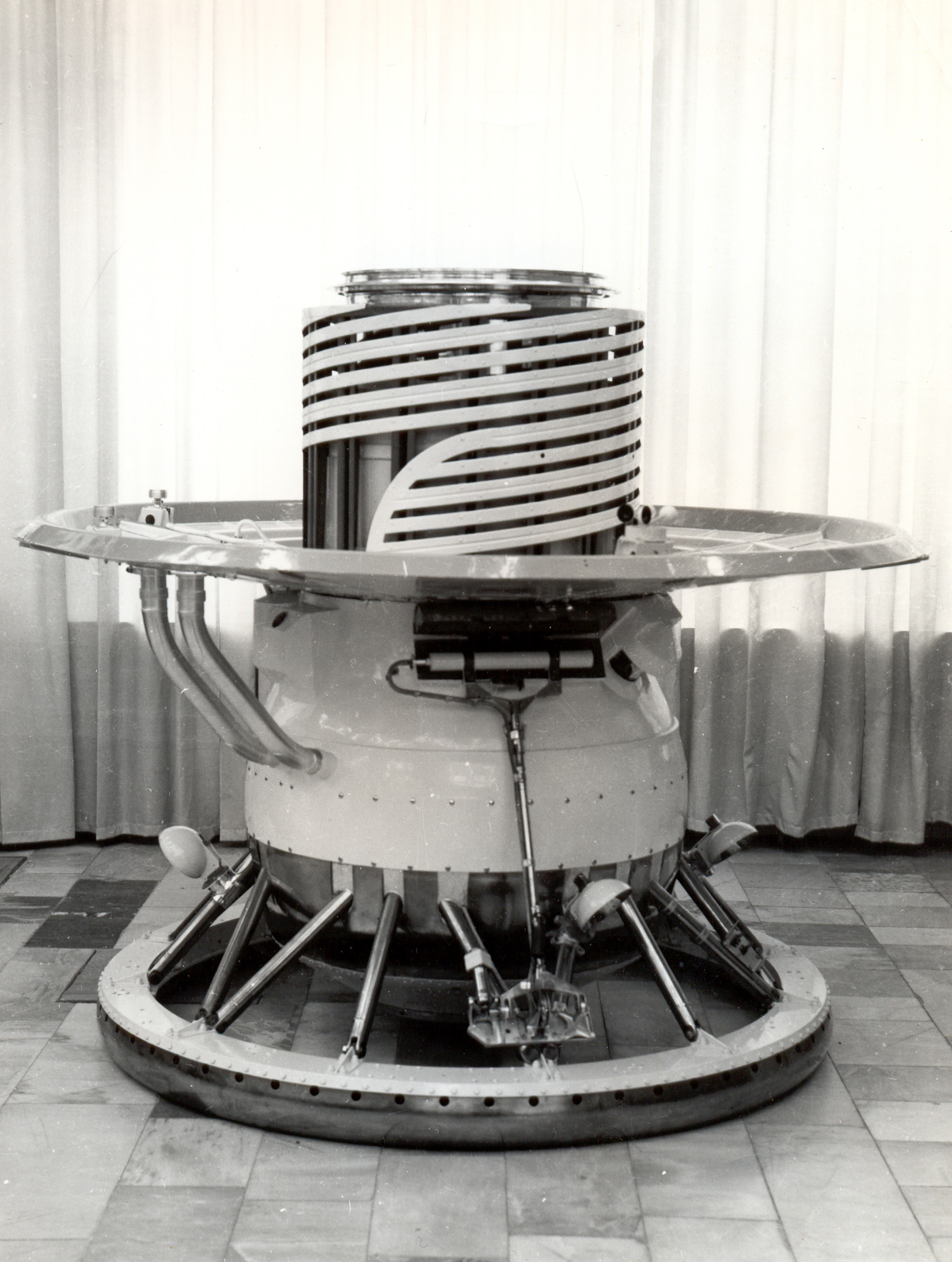
In particular, to protect the modules from overloads when entering the dense layers of the atmosphere, they were enclosed in special spheres. They protected the device at hypersonic speed and opened after its reduction to subsonic values.
The landing modules were also equipped with umbrella brake flaps. With their help, the devices overcame the densest and hottest layers of the atmosphere of Venus faster than by parachute. This allowed them to increase the period of their work on the surface of the planet.
— To protect the cameras when working on the surface, the shooting was done through the porthole. It was made of 10 mm thick quartz glass, and a periscope with a scanning mirror was placed inside the device. Thus, the main heat flows that penetrated through the porthole affected only the upper part of the periscope, which heated up to 4000 ° C in an hour, but did not touch the sensitive organs of the camera," Oleg Sedykh said.
When approaching the planet, the landers were cooled to -10 ° C, he explained. From the inside, the cladding was lined with polyurethane foam insulation, which helped to keep the temperature down. And the heat that nevertheless penetrated through the protective layers was absorbed by batteries based on lithium nitrate trihydrate, a salt that melts at 33 ° C, taking a lot of energy.
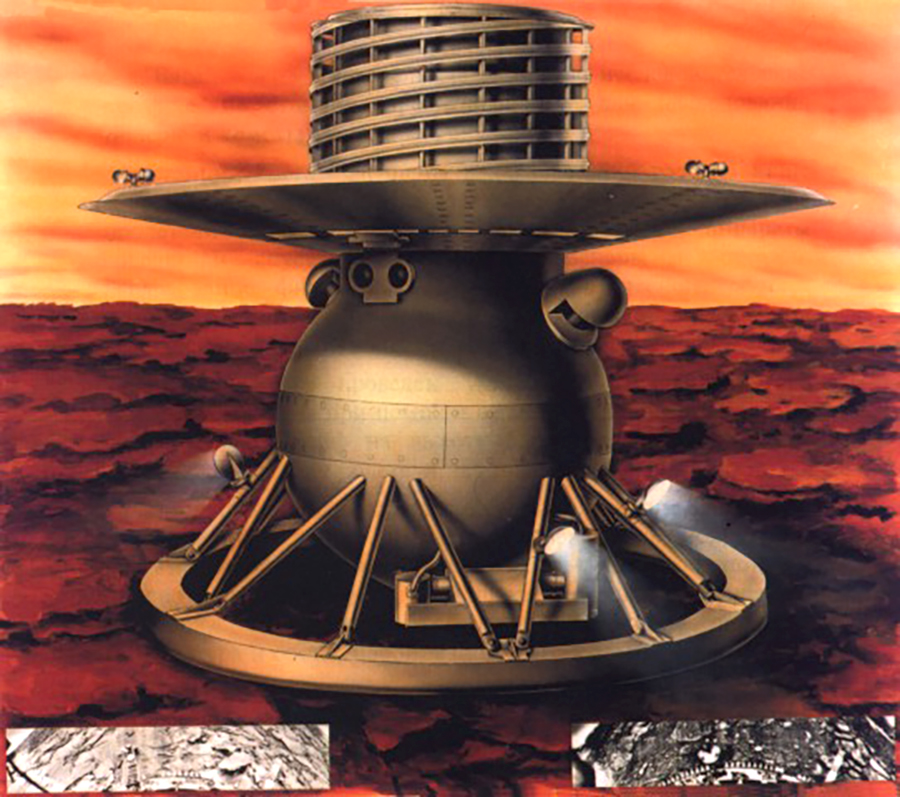
These measures ensured the operation of the stations for about two hours after landing, which in itself has already become a major scientific and technical achievement.
The first photos from the surface of a neighboring planet were taken from the Venera-9 station. They were 180-degree black-and-white panoramic shots. By their nature, it could be assumed that the lander had landed on a steep scree. The illumination was similar to that of the earth in the middle latitudes on a cloudy summer day, and the diffused light did not give shadows.

Panorama of the image of the surface of the planet Venus from aboard the Venera-9 station, processed at the computing complex of the Institute of Problems of Information Transmission of the USSR Academy of Sciences (IPPI of the USSR Academy of Sciences)
— The coordinates of the landing module are 310 north latitude and 2920 east longitude. This point was located on the dayside of Venus, which is not visible from Earth. To ensure the retransmission, by the time the transmission began, the orbital station had to be in line of sight with the lander. To do this, a correction maneuver was performed in orbit," Oleg Sedykh explained.
In addition, television images of the cloud layer were obtained from orbit, the parameters of the temperature distribution along the upper boundary of the clouds were determined, the spectra of the night glow of the planet were recorded, and studies of the near-planetary plasma were conducted, the specialist said.
One of the significant discoveries made by the Venera-9 and Venera-10 orbital stations was the Venusian lightning they discovered, which turned out to be 25 times more powerful than terrestrial ones.
Scientists also received important information during the passage of landers through the layers of the atmosphere. Including its density, temperature, and pressure at all altitudes.
— The clouds of Venus were like a light mist, because they contained droplets much smaller than usual on Earth. They were characteristic of sulfuric acid droplets in a very dry atmosphere. The range of visibility reached a kilometer. And at altitudes from 50 km to 25 km, a significantly less dense cloud layer extended. Even lower down, the atmosphere was mostly transparent. The cloudy sky was getting more and more orange," Oleg Sedykh shared.

What developments are being used for new missions to Venus?
According to him, the data obtained by the Venera-9 and Venera-10 stations has not lost its relevance. Now they are being used in the design of the new Venus-D mission, which will continue to study the second planet of the Solar System, but at a qualitatively new level.
In particular, data on pressure, temperature, atmospheric composition, its gradients and wind directions, and optical characteristics will form the basis of a new design image for a promising interplanetary station. At the same time, the images obtained from the landers in 1975 made it possible to refine the design characteristics and design for modern video equipment that will be sent to Venus.

Venera-10 station
Scientists suggest that the new Russian expedition will allow us to study the deep past of Venus and the Solar System as a whole, and show possible ways of evolution of our planet, its atmosphere and climate.
— An important result of the Venera-9 and Venera-10 missions is that the ability to transmit a "picture" was demonstrated even in the most extreme conditions. This is how the world's first telephoto panorama images were sent to Earth. Also, during this expedition, the mechanism of telephotometry was developed — this is a method of remote measurement of illumination or brightness of objects. As previously at the Luna-9 station, but for the extreme temperatures and pressures of Venus. In addition, there were two optomechanical television cameras on the device, which were filmed in the visible and ultraviolet ranges. With their help, experts for the first time estimated the amount of sunlight reaching the surface of Venus," Pavel Gaiduk, deputy head of the Scientific and exposition department of the Museum of Cosmonautics, told Izvestia.

Reproduction of the image of the panorama of the surface of Venus, obtained from the lander of the station "Venus-14"
In addition, a soft landing scheme on Venus was worked out for the third time, he added. The data obtained on the conditions on the planet's surface supplemented the existing ones, and weather conditions became clearer. Some researchers of the images reported that they found something similar to evidence of extraterrestrial life on Venus.
— Flights to the Planet of Storms are rare. The latest data on its surface was sent to Earth by the Venera-13 and Venera-14 stations in 1982. However, there are many new projects now. Of course, they have new devices and much more advanced electronics. But the concept of the device remains the same: inside the sturdy spherical body, the earth's conditions are maintained — the usual pressure and temperature of about 20-30 ° C. Such a capsule can accommodate standard instruments that are easy to test on Earth," Pavel Shubin, a publicist and cosmonautics historian, told Izvestia.
There were also ambitious proposals to create long-lived stations with electronics that can operate at +5000 ° C, but they did not come to fruition, the expert added. Currently, all projects still involve the creation of devices that will work on the surface of Venus for only a few hours.
Переведено сервисом «Яндекс Переводчик»
