Waiting for a paw: veterinarians complain about the lack of vaccines for cats and dogs
- Статьи
- Society
- Waiting for a paw: veterinarians complain about the lack of vaccines for cats and dogs

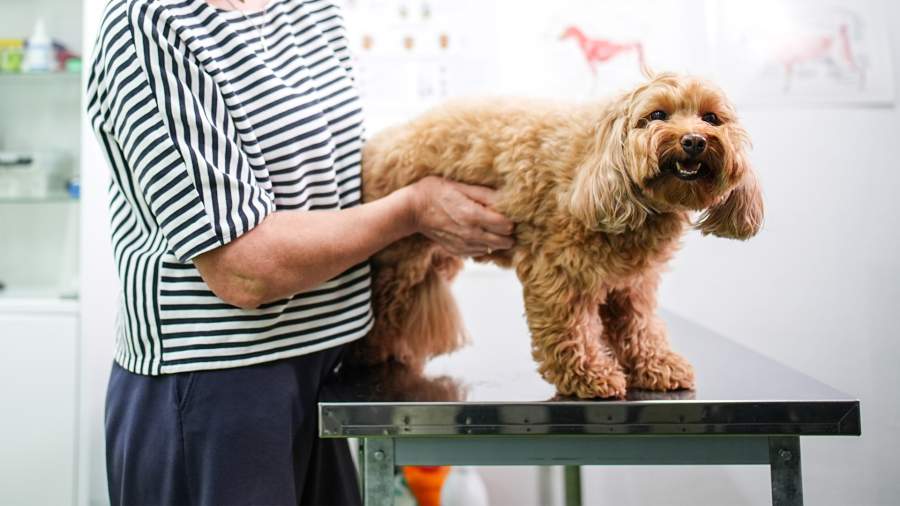
In recent months, veterinarians have faced a critical shortage of vaccines for cats and dogs, the National Veterinary Chamber said. According to her, the clinics received two to three times fewer drugs than in the same period last year. Veterinary institutions have confirmed that since the beginning of 2025, there have been constant interruptions in the supply of vaccines, which is why hundreds of pets are waiting in line for vaccination. Doctors fear that the current situation may lead to an increase in cases of infection of pets, and then people with dangerous infectious diseases. The Rosselkhoznadzor and the Ministry of Agriculture promised to hold a meeting with manufacturers of vaccines for dogs and cats and distributors to sort out the situation. For more information, see the Izvestia article.
Doctors complain about a shortage of vaccines
In Russia, in 2025, there was a shortage of vaccines for cats and dogs, follows from a letter from the Association "National Veterinary Chamber" (NVP) to the Rosselkhoznadzor and the Ministry of Agriculture (available to Izvestia).
"Clinics receive two to three times fewer vaccines from suppliers compared to the same period in 2024. Currently, 200-300 animals are on the waiting list for vaccination in some clinics, and 10-20 doses are being delivered," the appeal says. "Distribution companies are announcing a two— to three-fold reduction in the supply of immunobiological drugs from manufacturers."
The NVP asked manufacturers, importers and interested departments to work out a solution as quickly as possible.
The Rosselkhoznadzor's press service confirmed to Izvestia that it had received a letter from the National Veterinary Chamber.
"We have agreed to hold a video conference involving all manufacturers of vaccines for dogs and cats, as well as distributors, in order to understand the situation," they said in response to a request from the editorial board.
The Ministry of Agriculture called the situation with providing the domestic market with veterinary medicines stable.
— 90 Russian manufacturers are engaged in their production. 2,457 veterinary medicines have been registered in the country, of which 1,578 are of domestic production (64.2%), including 368 vaccines, they stressed. — The most popular foreign-made products have domestic analogues. In addition, Russian manufacturers are now actively developing new high-tech drugs.
The Ministry of Agriculture noted that five domestic manufacturers have now significantly increased the production of vaccines for cats and dogs.
"Enterprises engaged in the production and supply of vaccines for small pets, including within the framework of government orders, ship drugs as usual, without delays and disruptions in supplies," they added.
The ministry also recalled that deliveries of a number of imported veterinary vaccines have not been carried out since 2022 due to the lack of conclusions from foreign manufacturers on compliance with the rules of good manufacturing practice.
"If necessary, the issue of additional increase in production volume or changes in production plans due to the redistribution of products will be worked out," the department said.
Which clinics don't have vaccines?
Currently, the amount of domestically produced vaccines supplied by suppliers is really sorely lacking, the Obereg veterinary clinic and the Bely Fang network confirmed to Izvestia.
"There are constant interruptions in the work of the vaccine supplier," said Tatiana Krasnova, head of the White Fang medical network.
She clarified that since February 2025, the chain has been without vaccines for dogs for ten days due to problems with production and supply.
— This creates serious damage to the credibility of our clinic and increases the threat of epizootics (widespread spread of a contagious animal disease among one or many species in a significant area. — Ed.), since we could not vaccinate dogs in a timely manner during this period, — emphasized Tatiana Krasnova.
The lack of vaccines for the immunization of cats and dogs was also reported in the multidisciplinary veterinary clinic "Vetexpert".
"The situation with providing veterinary clinics with vaccines against viral diseases of dogs and cats is close to catastrophic," they noted. — Legally imported vaccines have been completely absent in the country since March.
And Russian drugs are shipped sporadically and they are not in constant supply from suppliers, Vetexpert added.
"The amount that can be purchased from the supplier is negligible and does not provide the necessary need for preventive work on the immunization of small pets, including against rabies virus," they said. — The explanation of each supplier is the same: vaccine manufacturers do not provide them in the required quantity, although they are ready to accept any amount from manufacturers.
Izvestia sent requests to vaccine suppliers asking them to confirm this information.
Why are there few foreign vaccines?
Shipments of veterinary drugs are showing growth, but only slightly — only 3-5% compared to 2024, said Yuri Korobeynikov, Sales Director of the Skif-Cargo federal transport company.
Izvestia sent a request to foreign manufacturers: Zoetis, MSD, Boehringer Ingelheim, Bioveta and to Russian companies (Shchelkovsky Biocombinat, Vetbiochim, Vetzverocenter, Federal Center for Animal Health Protection. The editors asked us to tell them how much has been delivered this year and whether there is an opportunity to increase the output.
In response to an inquiry, Boehringer Ingelheim said that the company continues to operate in the Russian market. "In 2024, the vaccines Eurican DHPPI2-L, Eurican DHPPI2-LR, Purevax RCP, and Purevax FeLV were available in Russia," they noted.
The company stressed that in order to continue supplying veterinary medicines this year, including vaccines for pets, it needs an opinion on the compliance of production sites with the rules of good manufacturing practice of the EAEU, issued by the Russian regulatory authority. And this process requires significant resources and time.
Izvestia checked the availability of these vaccines in veterinary pharmacies. Their absence is reported on at least eight portals.
Bioveta reported that the company received a Russian certificate of compliance of production sites with the rules of good manufacturing practice of the EAEU in June 2024.
—Biokan and Biofel vaccines for dogs and cats were available to consumers in Russia until February 2025 inclusive," they stressed. — In May 2025, a new batch of these drugs was delivered. It has successfully passed the customs clearance procedure and is currently at the stage of entering the Russian market.
The company added that the Biokan and Biofel vaccines will be available to Russians again in July. The next batch of these drugs is currently being produced and its delivery is scheduled for August.
The company's vaccines are not available on at least eight vetaptek websites, Izvestia found out.
Today, the range of foreign-made vaccines for the prevention of diseases of small domestic animals has not fully recovered after the change in conditions of access to the Russian market in September 2023, said Semyon Zhavoronkov, executive director of the Association of Veterinary Pharmaceutical Manufacturers.
— We continue to work on the restoration of the assortment. Two foreign—made vaccines, Vanguard Plus 5 L4 CV and Felocel CVR, are now available on the Russian market," he added.
The listed drugs, according to Semyon Zhavoronkov, can be purchased on the market from distributors.
— In the required volume, their deliveries will continue from July this year. As for other veterinary medicines in demand, we are waiting for the completion of the necessary GMP inspections at the enterprises, we are working to ensure the control procedures established by Russian legislation," he said.
Izvestia checked the information and found out that at least eight veterinary clinics and pet stores in various regions do not have these drugs.
What about Russian vaccines
In the Shchelkovsky Biocombinat, Izvestia was informed about the stable production and availability of a full range of anti-rabies drugs.
— Vaccine stocks fully meet the current market demand. The company continues to increase its production capacity to meet the needs of veterinary clinics," they noted.
Tatiana Galkina, head of the Laboratory for the Prevention of Diseases of Small Domestic Animals at the Federal Center for Animal Health, told Izvestia that the institution had developed and registered eight vaccines for the prevention of major diseases of cats, dogs and fur-bearing animals.
— Now all applications from potential buyers for the manufacture and production of production series of vaccines for dogs and cats are executed on time, — she said. — There have been no additional requests from distributors of vaccines for small pets to increase the production of production batches.
Vetbiochim told Izvestia that it has increased the production of vaccines for dogs and cats compared to last year.
— The company produces 15 names of immunobiological drugs for dogs and cats. Since the beginning of this year, more than 4 million doses of vaccines and serums for small pets have been produced and sold, which is 47% more than in the same period of 2024," said Olga Barantseva, a marketing analyst at the company. — The organization's planned production targets are to sell about 5 million doses of vaccines and serums by the end of the first half of 2025.
The expert also noted that Vetbiochim produces vaccines for the prevention of rabies in dogs and cats — Rabix, Rabifel, Asterion DHPPiLR and Multican-8.
"Since the beginning of 2025, almost 2 million doses of rabies vaccines have been sold, which is 54% more than in the same period last year," she stressed.
The publication has checked more than ten veterinary pharmacy websites: at least six of these drugs are not available.
Olga Barantseva noted that the market is experiencing an increase in demand for vaccines for companion animals.
What is the danger of a shortage of vaccines?
The National Veterinary Chamber stressed that the current situation with the availability of vaccines is of concern to the veterinary community.
"A drop in collective immunity in pets can lead to a sharp increase in the number of infectious diseases, including dangerous ones for humans, such as rabies," the letter says.
Tatiana Krasnova noted that outbreaks of canine distemper, feline panleukopenia, canine parvovirus infection and feline calicivirus are possible.
— An even greater concern is caused by the further accumulation of the number of people who have not been vaccinated against rabies and leptospirosis or who have been immunized in violation of deadlines due to missing deliveries of dogs and cats. This can lead to the appearance of these dangerous diseases in previously safe places with a high degree of risk," she added.
Against the background of a shortage of vaccines, the risk of outbreaks of viral diseases of domestic and street animals in cities and regions is higher, the Vetexpert veterinary clinic added.
"This poses a serious threat of infecting people with deadly diseases," they stressed.
The association clarified that due to the absence of an immunization stamp in the passport, pet owners cannot freely move and travel around the country and abroad. The shortage of vaccines also leads to the emergence of illegal suppliers and higher prices, which negatively affects consumers, they added.
Переведено сервисом «Яндекс Переводчик»
