Back road: how the supply service works under constant drone strikes


In conditions of intense fighting and constant attacks by enemy drones, the work of the logistics service has become a daily feat. An officer with the call sign Salamandra, deputy battalion commander of the 34th Motorized Rifle brigade of the North group, told the Izvestia correspondent how provisions and ammunition were delivered, why KAMAZ trucks were replaced with ATVs and how his fighters risked their lives to save not only military personnel but also civilians.
The man with the call sign Salamander
In the early morning, our Patriot SUV moved towards the Kursk region. As we were made clear, journalists are not allowed to be on the very line of contact (LBF) right now. Intense fighting is going on there, enemy drones are circling in the sky, and it is impossible to guarantee safety. Therefore, we stopped at a sufficient distance from the front line, where we were met by the deputy commander of the logistics battalion of the 34th Motorized Rifle Brigade of the North group of forces with the call sign Salamandra.
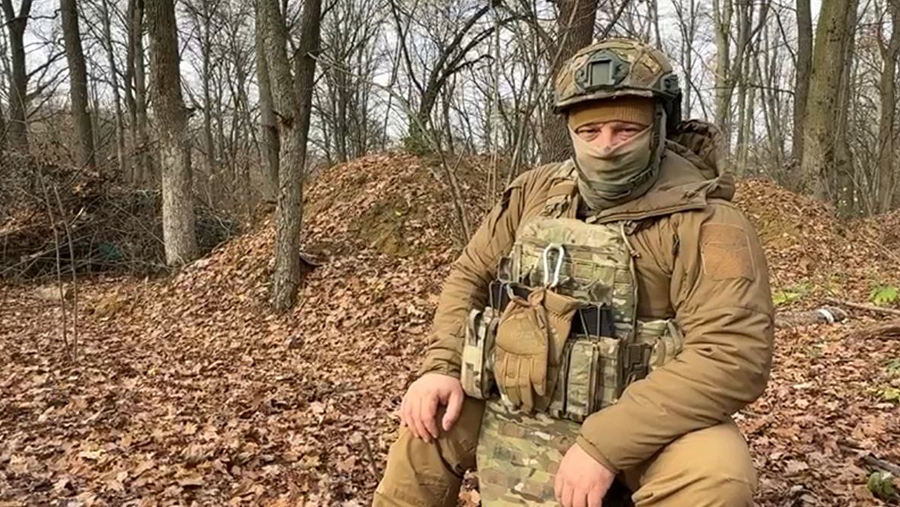
He is originally from Pyatigorsk, Stavropol Territory. He began his military service in 2006 in the Ministry of Defense, and from 2010 to 2013 he served in the Internal Troops in Grozny, where he rose to the rank of ensign. In early September 2022, he voluntarily went to his home country.
At first, he was assigned to the Kherson area as the commander of the battalion's support platoon. His key task was to supply the units at the LBS with food, ammunition and other necessary supplies, as well as to evacuate personnel. Then, as he notes, the important point was getting used to the new conditions.
— The area was foreign, in fact, we lived in the forest. The necessary supplies were delivered to the front line at night. But you know, back then this job was much easier, because there weren't so many unmanned vehicles," says Salamandra, adding that at that time the enemy regularly tried to fire at our equipment.
He also recalled the episode when he almost died. One day, when the Salamander was driving a KAMAZ truck, the car came under fire from ATGMs. We were lucky that we managed to stop, move away about 20 meters, after which it flew into the car. He emphasizes that the current situation and threats are completely different: it is not easy to bring the necessary supplies, but supplies are one thing, and the evacuation of the wounded is more important.
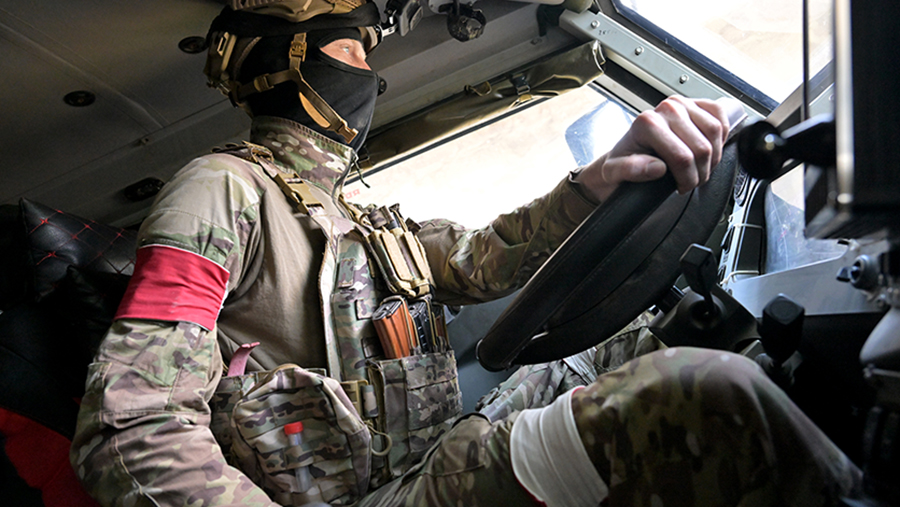
In 2023, a serious episode occurred in the Zaporizhia region. His soldiers, who were delivering provisions and personnel to the front line, came under tank fire. As a result of a direct hit, one of the KAMAZ trucks with people was hit. There was an urgent need to evacuate many of the wounded and dead, which was dangerous and difficult, but we managed. Now, the officer clarifies, trucks for delivery to the front are no longer used: troops are becoming more mobile, and the logistics service must also meet this time requirement. He also noted that his subordinates had helped civilians, for example, to evacuate an elderly driver whose car was attacked by Ukrainian militants with a drone.
— The Armed forces of Ukraine shot down a civilian car with a drone. An elderly driver was injured. We saw him, evacuated him, and took him to the hospital. He was lucky that we were there. Grandfather survived," says the officer.

Drones instead of cars
Now, in the Kursk region, Salamander and his subordinates are trying to do their work early in the morning, in the "gray" time of the day, in order to minimize the risks. The terrain is difficult, and with the onset of autumn, roads become almost impassable for wheeled vehicles. In such cases, everything you need is picked up and delivered on foot. The wounded are carried back on themselves to the point from where transportation is possible.
According to the expert, the logistics workers are also actively developing powerful drones.
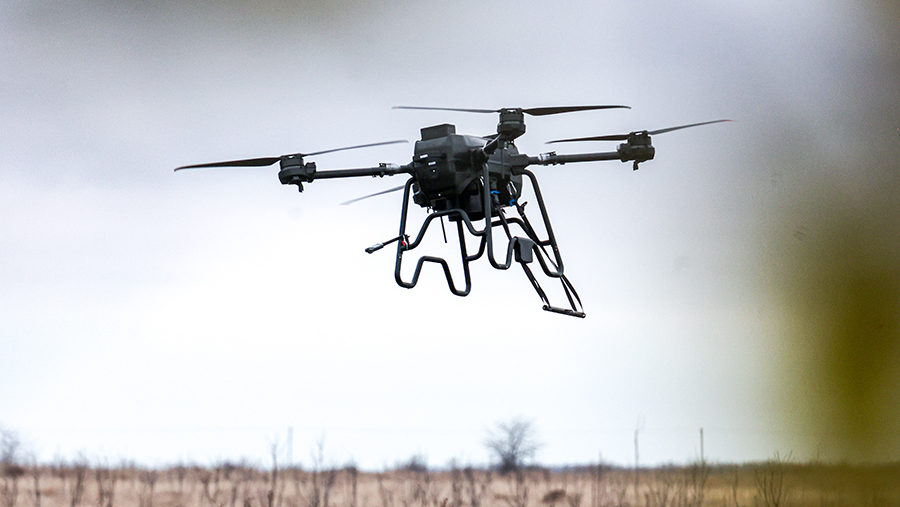
— They can carry up to 40 kg. With their help, we deliver food and ammunition to those positions where it is very difficult to reach even on foot. We send water on less powerful copters. There is no way without it now. Understand that getting people into positions is only half the battle. They need to be regularly supplied with everything they need, otherwise their presence there will be meaningless," emphasizes Salamandra.
He again focuses on seasonal difficulties. In winter, the task of delivering building materials, insulation materials, generators, and everything necessary for a comfortable home is added. Therefore, the Salamander unit works closely with the battalion's UAV calculations.
When our units took up positions near the village of Popovka, zamkombata recalls, in order to get there and bring supplies, the logistics had to travel up to 14 km in one direction and the same amount back.
— The area was open. Sometimes I had to run. The enemy is constantly hunting us. They don't spare drones for us. They fly into the rear and look for any target. They don't care what they destroy: a military vehicle, a civilian one. They're hitting everything. Even livestock are being slaughtered. Inhumans, in a word," says the Salamander.

The most difficult thing is to deliver ammunition. It's heavier, too, and it carries a lot of risk. Four-wheel drive vehicles are usually used for transportation. Buggies and ATVs with special trailers are used to evacuate the wounded. They also deliver food. The fighters have to act very quickly — they flew into a buggy, unloaded and left, as drones are working closely in the sky.
The platoon has cover groups armed with rifles that guard the rear guards during unloading. The commander clarifies that he himself had to be in this role several times and shoot down enemy vehicles.

Logistics of personal comfort
As it turned out, the logistics personnel also bring individual parcels — medicines, cigarettes, sweets, hygiene products. They deliver them so that people on the LBS feel as comfortable and confident as possible.
Over time, according to him, the soldiers on the front line learned how to equip mini-warehouses.
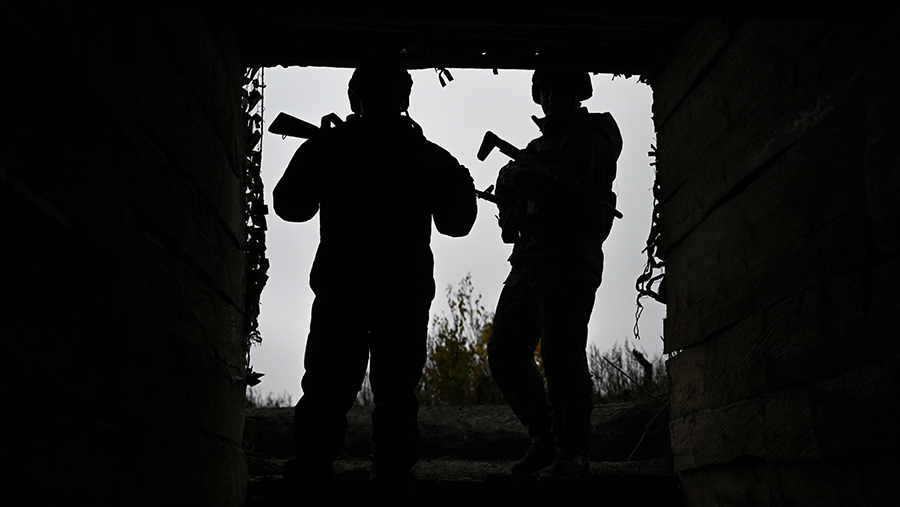
— Roughly speaking, this is a deep dugout, covered with two or three rolls of logs, with underground passages leading in. Translated into modern civilian language, these are such mini-logistics centers. They are placed so that the units are systematically provided with everything they need. We build them so that they cannot be detected from the air. Top—level disguise," the commander notes.
The commander states that there have been no problems with provisions and ammunition for a long time. There are enough things in total: groceries, sleeping bags, sleeping bags, winter and summer clothes. Concluding the conversation, Salamander explained that he had gone to his homeland because he needed to protect his homeland and fulfill his duty to it.
Переведено сервисом «Яндекс Переводчик»
