
Free entry: OPEC declares openness to new members
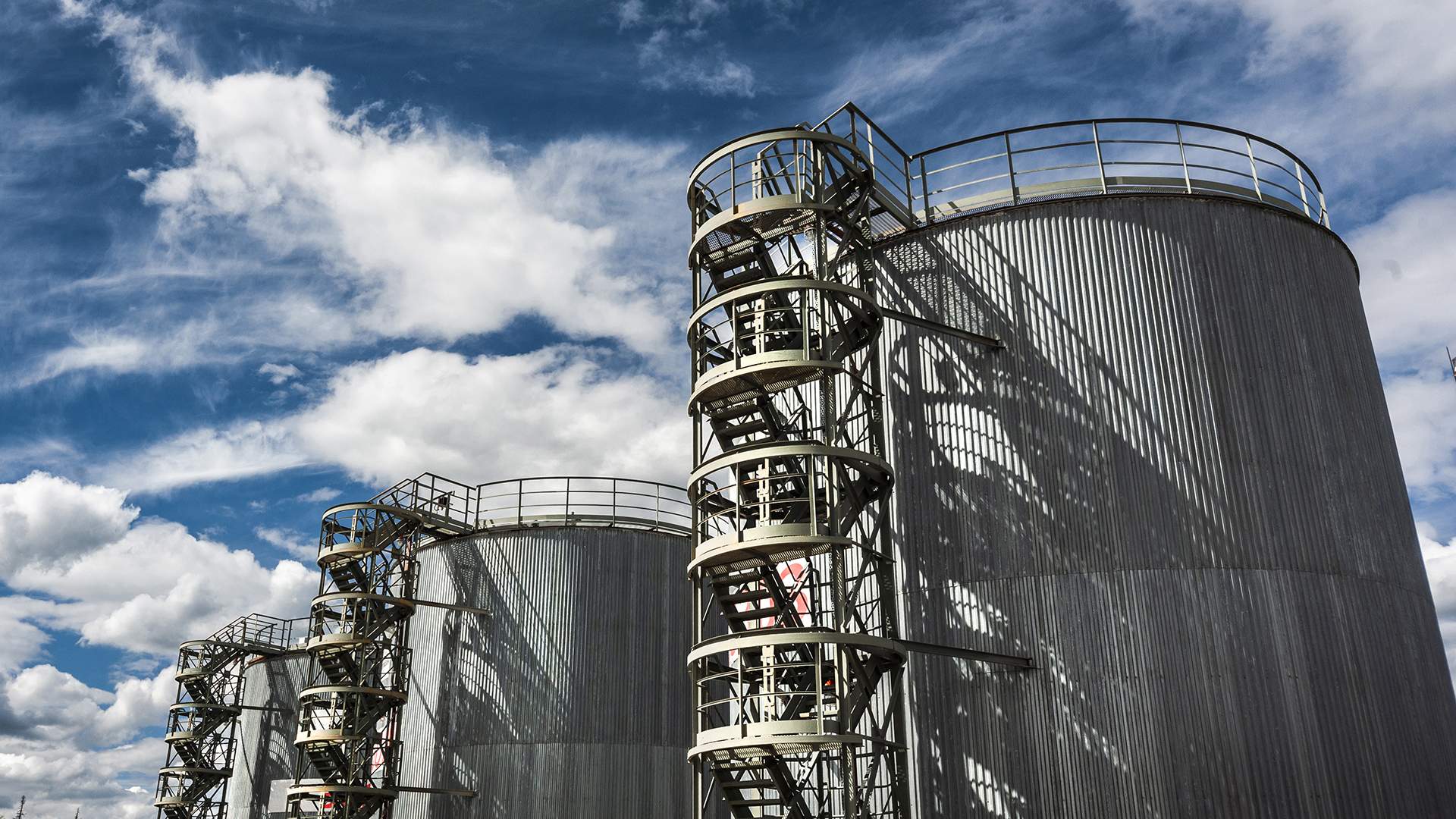
The Organization of the Petroleum Exporting Countries (OPEC) is always open to new members if they meet all the necessary criteria and goals, OPEC Secretary General Haitham al-Ghaith said. He noted that negotiations are currently underway with many countries, especially in the African region. How the organization will develop and what impact it will have on the oil market is described in the Izvestia article.
Likely contenders
The countries of the Global South, primarily African oil producers, have the greatest potential to join OPEC, Sergei Grishunin, managing director of the NRA rating service, told Izvestia. But so far, the probability of their joining is low, because it is difficult for them to maintain the discipline of the organization due to macroeconomic conditions.
— Two things are important to note here. First, the talks about their potential entry indicate the rapid development of the countries of the Global South, something that previously seemed incredible, now seems possible. Secondly, if production in the United States really starts to decline by 2030, OPEC has a chance not only to increase its market share by more than 50%, but also to rapidly increase it and bring it closer to 60%. But in the next three years, we do not see a high potential for OPEC expansion," the expert noted.

The OPEC+ format is likely to expand in the coming years, Igor Yushkov, a leading analyst at the National Energy Security Fund and an expert at the Financial University under the Government of Russia, told Izvestia. OPEC itself is unlikely to increase its membership due to strict membership requirements.
African countries with significant oil resources and a growing interest in closer integration into global energy processes are considered the most likely candidates for joining OPEC+. First of all, we are talking about Uganda, Namibia, Senegal and Mozambique, where major discoveries of deposits have been recorded in recent years and the construction of key oil and gas processing and export facilities has begun.

In addition, the potential for OPEC+ expansion is explained by objective changes in the global hydrocarbon market and the strategy of the organization itself, which seeks to strengthen its role as a stabilizing mechanism against the background of price fluctuations. The format originally emerged as a tool for temporary coordination between OPEC member countries and a number of independent oil producers in order to regulate production volumes in a coordinated manner, thereby stabilizing the market and preventing excessive price collapses. Over time, this mechanism has proven its effectiveness, especially during periods of crisis shocks such as a pandemic or sharp geopolitical exacerbations.
Practice has also shown that the more countries participate in coordination and obey common decisions, the more effective the regulation of the balance of supply and demand is. Against this background, the organization's desire to include new states in the format seems logical, especially those whose production has the potential for growth and can influence global oil flows.

Key players
Neither Russia nor the United States are members of OPEC, although they are major players in the global market. At the same time, they consult with the organization during periods of economic instability. Moscow and Washington probably won't join the organization in the near future, Maxim Chirkov, associate professor at the Department of Economic Policy and Economic Measurements at the Institute of Economics and Finance at the State University of Management, told Izvestia.

OPEC was created as a cartel of oil-producing countries, coordinating production volumes in order to maintain stable or favorable oil prices. It is based on the principle of production quotas, which allows member countries to manage the supply of oil on a global scale. However, for countries such as Russia and the United States, a strict system of quotas and collective regulation of production within an agreed framework does not meet the interests of the domestic industry.
In Russia, the state plays an active role in the oil industry, controlling large companies, and is able to influence production levels. However, Russia prefers to remain strategically flexible and not burden itself with permanent membership in organizations with long-term commitments, especially when it comes to stable quotas. Instead, the country cooperates with OPEC in an expanded format — OPEC+, which allows it to participate in the coordination of production on a temporary, voluntary basis, without becoming a full member. This approach gives Moscow room for maneuver and the opportunity to take into account both domestic interests and the foreign policy environment.

In the United States, the oil sector is mostly private, and the government does not impose centralized restrictions on production volumes. This makes participation in OPEC virtually impossible at the institutional level. After all, the American government cannot quickly coordinate the actions of thousands of private oil companies across the country. Moreover, the United States has legislation, including antitrust regulations, that is incompatible with the obligations to limit production in an agreed manner, which poses legal barriers to joining the cartel.

Price changes in the market
The current sharp price changes are influenced by geopolitical factors, primarily the chaotic introduction of new duties and tariffs by US President Donald Trump, Sergei Grishunin believes. In such conditions, traders expect an increase in purchases, which drives prices up. In addition, expectations for a weaker dollar and lower interest rates in the United States are also pushing prices up.
— It is difficult to predict what will happen next, as the old trends are broken, and uncertainty is growing, — the expert noted. — The situation will develop depending on the balance of supply, demand and geopolitics, with the latter factor remaining on the scene for a long time. In an unfavorable scenario, prices may fall if the world is divided into blocks.

In the context of the escalating conflict in the Middle East and the unpredictable policies of Donald Trump, the oil market will experience multidirectional impulses. On the one hand, increased threats to physical supplies and increased political risks will push prices up. On the other hand, a potential slowdown in global growth and a drop in industrial activity due to tariff pressures may limit demand and have a restraining effect.
Most likely, the situation on the oil market will be characterized by increased volatility. Such an unstable price environment will require a high degree of adaptability and strategic flexibility from exporting countries, investors and traders, especially in terms of risk management and supply diversification.
Izvestia sent a request to the Ministry of Energy, but no response had been received at the time of publication.
Переведено сервисом «Яндекс Переводчик»
