
The Near North: how Russia plans to develop the Arctic
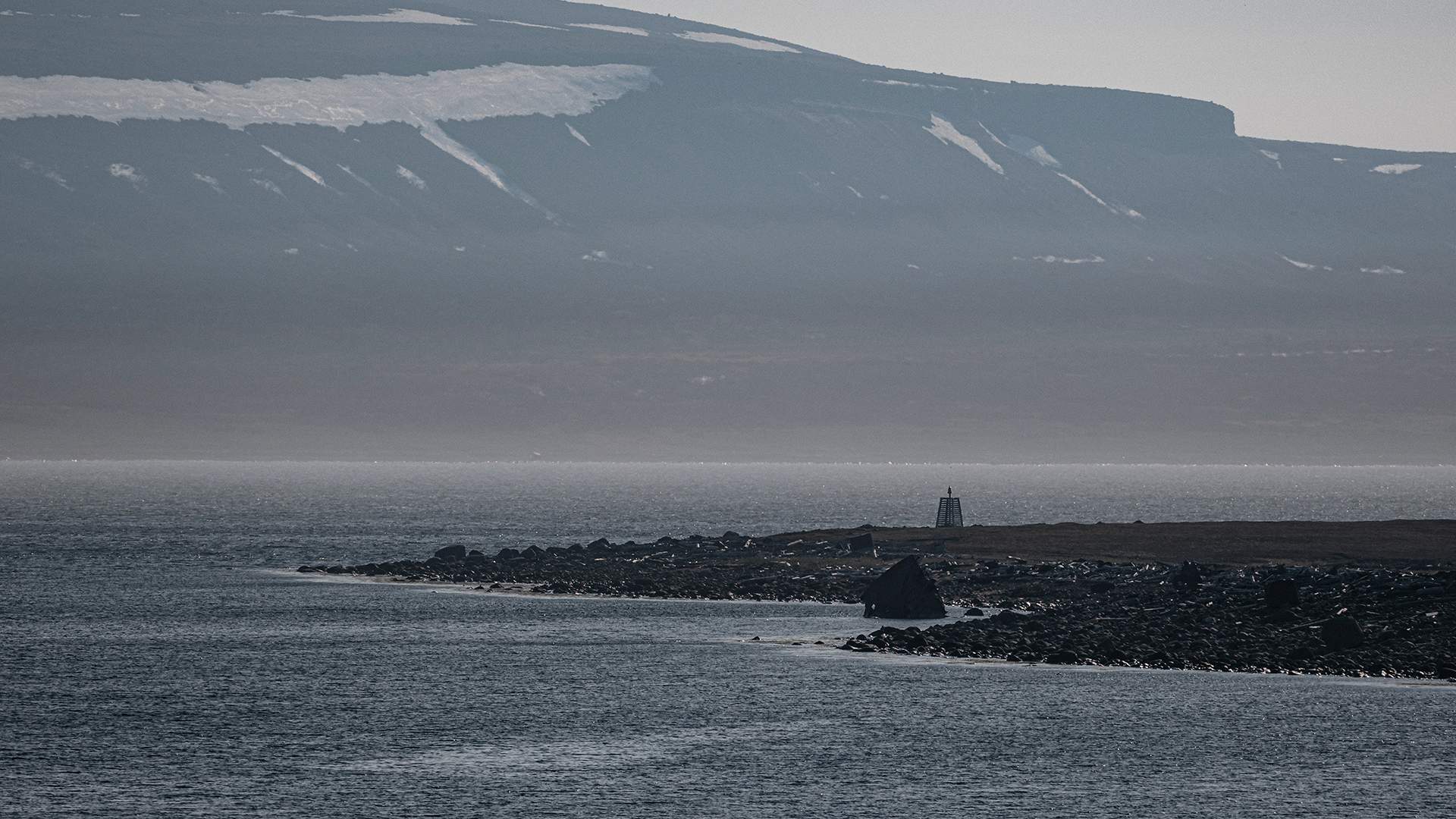
The development of the Russian Arctic should be based on a systematic basis, taking into account modern risks and threats, said Nikolai Patrushev, assistant to the head of state, Chairman of the Russian Maritime Board. The Ministry of Regional Development and the press service of the deputy chairman of the government, Presidential Plenipotentiary Representative in the Far Eastern Federal District, Yuri Trutnev, told Izvestia about Russia's plans for this territory. Which areas of the region's development are the most promising — in the Izvestia article.
Defining tasks
On behalf of the president, following the results of the International Arctic Forum, work is underway to adjust the strategic documents of the Russian Arctic zone, the press service of the deputy chairman of the government, Presidential Plenipotentiary Representative in the Far Eastern Federal District, Yuri Trutnev, told Izvestia. These are the Fundamentals of state Policy in the Arctic and the Strategy for the Development of the Arctic Zone. They are approved until 2035. Now they have to be changed, taking into account the need to extend the planning horizon to 2050 and the received positions of the Russian Security Council staff on the need to additionally reflect new risks of socio-economic development and threats to Russia's national security and the State Council Commission on the NSR and the Arctic.
"The draft updated Strategy until 2035 with a horizon to 2050 is based on five key priorities reflecting Russia's long—term interests in the Arctic," Trutnev's representatives said.

In particular, the priority is the rational development of the resource base with the priority of deep processing and high standards of environmental friendliness as a resource base for Russia's development, as well as the accelerated development of the Northern Sea Route as an international transport corridor of global importance.

Of particular importance is the renovation of key anchor settlements to improve the quality of life and create new points of attraction for the population. At the same time, the protection of the ancestral habitat and the traditional way of life of the indigenous small peoples (KMNS) is being strengthened as the basis for the cultural sustainability of the Arctic. In addition, great attention is paid to environmental safety and adaptation to climate change, including permafrost monitoring, a "Clean Arctic" and sustainable infrastructure.

"It is around these areas that a new logic of Arctic zone management is being built, based on the systematic development of this strategic territory as a modern part of Russia's future," the press service of the Ministry of Regional Development added.
New paths
First of all, it is necessary to develop a set of measures to stimulate the activation of economic and scientific contacts with friendly states and interested organizations of the UN system in the format of multilateral and bilateral institutional cooperation, Boris Morgunov, Director of the HSE Institute of Ecology, Honored Ecologist of Russia, told Izvestia.
— This will make it possible to circumvent most of the sanctions barriers that block economic and scientific cooperation in the interests of sustainable development of the Arctic zone of the Russian Federation and on a global scale. At the same time, Russia's leading role in this initiative is obvious," he said.

The development of the Arctic region in 2025 is at a crossroads between strategic opportunities and serious challenges, Natalia Denisenkova, associate professor of the Department of Political Analysis and Socio-Psychological Processes at Plekhanov Russian University of Economics, told Izvestia. Especially given the geopolitical tensions, climate change and technological progress.
— Navigation along the Northern Sea Route (NSR) can be considered the most promising in 2025 due to the growing interest in transit traffic between Europe and Asia, which will lead to the need to increase the icebreaking fleet of the Russian Federation and modernize the port infrastructure. — she noted. — For example, the comprehensive program for the development of the Northern Sea Route for the period up to 2035 provides for an increase in the volume of shipments along the NSR to 80 million tons by 2024 and to 100-120 million tons by 2030 with increased government support.

At the same time, according to the expert, geopolitical competition is intensifying, namely, national security issues related to the Arctic region are becoming more relevant. There are many potential threats here: the increased activity of NATO and the Nordic countries (Norway, Sweden, Finland) in the Arctic, which are increasing the number of exercises and intelligence operations near the Russian borders, and the accession of Sweden and Finland to NATO strengthens Russia's strategic encirclement in the north. In addition, the possibility of an attack on the control systems of the Northern Sea Route, mining complexes and energy infrastructure is not excluded.

By 2025, the Arctic will remain a key strategic region for Russia, where resources, transport corridors and elements of defense capability are concentrated, Natalia Denisenkova is confident.

The development of transport infrastructure is primarily related to the improvement of the Transarctic Transport Corridor (TATC), Alexander Vorotnikov, coordinator of the expert council of the Arctic Development Project Office, associate professor at the Russian Presidential Academy of National Economy and Public Administration, noted in an interview with Izvestia. The development of TATK is of great importance not only for Russia, but also for many friendly countries.
— China, India, the UAE and other countries have already shown interest in this. China is already actively using TATK and, moreover, is involved in the development of its infrastructure — in particular, Chinese firms are involved in the creation of the deep-water part of the port of Arkhangelsk. It is also worth noting the Arctic Express No. 1 project, which connects the ports of China with Arkhangelsk via the TATK. At the same time, the route length is 1,200 km by rail and 6,600 nautical miles," the expert said.

According to him, this is very beneficial for exporters: the journey takes up to 25 days, which reduces fuel costs, crew fees and other costs. The safety of the route also plays an important role, taking into account the difficult geopolitical situation in the Persian Gulf.
At the same time, the problem of permafrost degradation is particularly acute, which leads to man-made disasters, Alexander Vorotnikov believes. In these conditions, it is important to pursue a green policy in the Arctic.
— The projects implemented here must meet the criteria of the VEB green taxonomy.The Russian Federation, that is, a set of criteria by which a project can be considered environmentally friendly. These include, in particular, reducing carbon dioxide emissions, increasing the level of recycling of materials, as well as protecting and restoring biodiversity and natural sites," the expert added.
Переведено сервисом «Яндекс Переводчик»
